
What Is a Functional Capacity Evaluation?
A Functional Capacity Evaluation (FCE) is a structured assessment designed to measure an injured worker’s physical abilities and functional limitations. Within workers’ compensation cases, an FCE helps determine whether an individual can safely return to work and what restrictions may be necessary.
For those unfamiliar with the process, understanding what a Functional Capacity Evaluation is begins with recognizing its purpose. Unlike a routine medical examination, an FCE focuses on job-related physical performance. It evaluates activities such as lifting, carrying, pushing, pulling, standing, walking, and other work-related tasks.
In a workers’ compensation setting, the evaluation provides objective information about an employee’s functional capabilities after an injury. These findings are frequently used by physicians, employers, insurers, and legal professionals when making decisions about work restrictions, disability status, and future treatment.
Because workers’ compensation disputes often involve questions about functional ability, the FCE has become an important tool in the medical-legal process.
When Is a Functional Capacity Evaluation Required?
A common question in workers’ compensation cases is when a Functional Capacity Evaluation becomes necessary. An FCE is typically requested when there is uncertainty regarding an employee’s ability to return to work or perform essential job duties.
These evaluations are frequently used after treatment has progressed and the worker has reached a relatively stable condition. In many cases, treating physicians want additional objective information before determining permanent restrictions or approving a return to full duty.
A Functional Capacity Evaluation may also be requested when disagreements arise between medical providers, employers, or insurance carriers. If one party believes an employee can return to work while another disagrees, the FCE can provide valuable objective data.
The timing of the evaluation is important. Conducting the assessment too early may not accurately reflect the worker’s long-term capabilities, while delaying it unnecessarily can prolong uncertainty and case resolution.
What Happens During an FCE?
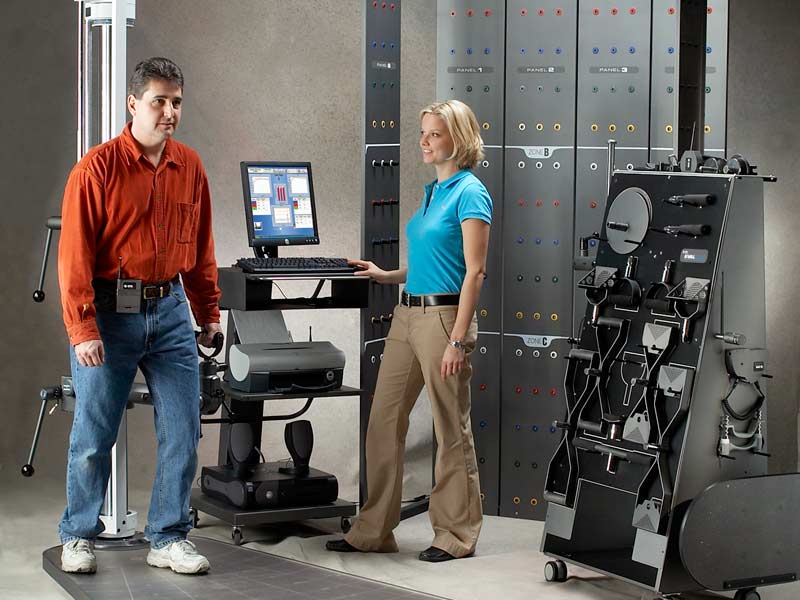
The Functional Capacity Evaluation process involves a series of standardized tests designed to measure physical performance safely and consistently. During the assessment, the evaluator observes how the worker performs specific tasks that simulate workplace activities.
A typical FCE physical assessment in a workers’ compensation case may include lifting tests, carrying exercises, grip strength measurements, range-of-motion evaluations, and endurance testing. The evaluator also observes body mechanics, effort consistency, and symptom responses throughout the examination.
The goal is not simply to identify what the worker cannot do. Instead, the assessment seeks to establish safe functional limits and determine which activities can be performed reliably.
Because workplace injuries vary significantly, evaluations are often tailored to the physical demands of the employee’s occupation. This allows the findings to be more relevant when making return-to-work decisions.
The Role of FCEs in Workers’ Compensation Cases (Key Section)
The role of Functional Capacity Evaluations in workers’ compensation cases extends far beyond physical testing. The information gathered during the evaluation often influences important decisions involving disability, work restrictions, and claim resolution.
An FCE provides objective evidence regarding an employee’s functional abilities at a specific point in recovery. This information can help determine whether additional treatment is needed, whether modified work is appropriate, or whether permanent restrictions should be established.
The evaluation also helps reduce uncertainty in disputed cases. When subjective complaints and objective findings appear inconsistent, the results of functional capacity testing can provide additional clarity.
Because workers’ compensation cases often involve multiple stakeholders, including treating physicians, insurers, attorneys, and employers, objective information is highly valuable. The FCE serves as a bridge between medical findings and real-world job performance, helping all parties make informed decisions.
FCE vs. Impairment Ratings
One area of confusion involves the difference between an FCE and an impairment rating. While both relate to workplace injuries, they serve different purposes and should not be viewed as interchangeable.
An impairment rating focuses on permanent loss of function resulting from an injury. It is typically based on medical guidelines and is used to help determine disability benefits.
An FCE, by contrast, focuses on current functional performance. Rather than measuring permanent impairment, it evaluates what an individual can safely do in a practical work environment.
For example, two workers with the same impairment rating may demonstrate very different functional capacities during an FCE. One may be able to perform modified work safely, while another may require more significant restrictions.
Understanding the distinction between these evaluations is important because both may influence different aspects of a workers’ compensation claim.
How QMEs Use FCE Findings
The role of a QME in workers’ compensation often includes reviewing Functional Capacity Evaluation results. A Qualified Medical Evaluator must determine how the findings fit within the broader medical and legal context of the case.
A qualified medical evaluator reviewing FCE results does not simply accept the findings without analysis. Instead, the evaluator compares the assessment with medical records, diagnostic studies, treatment history, and physical examination findings.
In many cases, the FCE becomes an important component of a medical-legal evaluation. The results may support or challenge existing work restrictions, disability assessments, or treatment recommendations.
When preparing reports, QMEs must ensure that conclusions are supported by evidence and consistent with accepted medical standards. This is particularly important because FCE findings may directly influence compensation decisions and return-to-work planning.
The Importance of FCE Reports in Medical-Legal Evaluations
A well-prepared Functional Capacity Evaluation report provides more than test results. It creates a detailed record of physical performance, observed limitations, and functional capabilities.
Within a California medical-legal evaluation, the report can become a significant piece of evidence. Physicians often rely on FCE findings when determining work restrictions, evaluating disability, or assessing future employability.
The quality of the report is critical. Clear documentation allows decision-makers to understand how conclusions were reached and whether restrictions are supported by objective findings.
Because FCE results may influence litigation, settlement negotiations, and benefit determinations, accuracy and consistency are essential. The report should explain findings in a way that is understandable to both medical and non-medical audiences.
Administrative and Practice Management Considerations
Functional Capacity Evaluation cases often involve significant coordination between medical providers, employers, insurers, and legal representatives. Managing records, scheduling assessments, and tracking documentation can create administrative challenges.
Many physicians and QME providers rely on structured workflow systems to maintain efficiency. In larger practices, a QME practice management company may assist with scheduling, records management, billing coordination, and compliance requirements.
Efficient administrative processes help ensure that evaluations are completed on time and that reports are delivered promptly. This reduces delays and improves the overall experience for both physicians and injured workers.
As workers’ compensation cases become increasingly complex, strong operational systems play an important role in maintaining consistency and quality.
Conclusion
Functional Capacity Evaluations provide valuable objective information regarding an injured worker’s physical abilities and limitations. By measuring real-world functional performance, these assessments help guide return-to-work decisions, establish work restrictions, and support disability evaluations.
For treating physicians, employers, insurers, and QMEs, the FCE serves as an important source of evidence when questions arise about work capacity. When combined with medical records and clinical findings, the evaluation helps create a more complete picture of the worker’s condition.
As workers’ compensation cases continue to emphasize objective evidence and functional outcomes, Functional Capacity Evaluations will remain an important tool in supporting fair and informed decision-making.